
Choosing The Best Pickle Making Equipment: Essential Tips And Common Mistakes

The Reality Behind Homemade vs. Store-bought Pickles
Commercial pickles offer convenience and uniformity, usually processed rapidly with preservatives to extend shelf life, often at the expense of depth in flavor. On the contrary, homemade variants draw appeal from their pure ingredients and personalizable flavor profiles. Yet, the true depth of difference lies beneath this surface comparison.
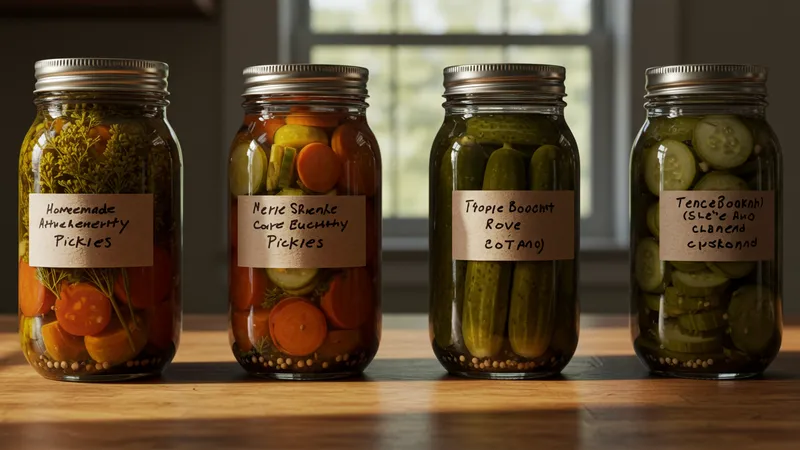
Store-bought options frequently rely on artificial agents and stabilizers, designed for mass production shelf stability rather than taste exploration. Health-concerned individuals opt for homemade alternatives to eliminate these concerns while savoring richer, fresher produce that most commercial variants rarely substantiate.
Homemade pickles permit customizable exploration, offering avenues to trial custom spice blends and fermentation times, thereby crafting truly personalized experiences. Yet, the ingenuity extends beyond mere customization into nutritional benefits, seldom publicly explored due to limited exposure.
Positioning homemade pickles against commercially available counterparts opens dialogue into sustainability, health benefits, and customizable nutrition adventure. This dimension broadens as we proceed to dissect beneficial bacteria benefits in our next discussion.