
Choosing The Best Pickle Making Equipment: Essential Tips And Common Mistakes

The Essential Pickle Jar Materials
Choosing the right pickle jar isn’t merely about size or volume; it extends deeply into the materials used in their construction. Glass jars are by far the most preferred due to their non-reactive nature. Glass does not impart any flavor onto the pickles, unlike some plastics that may leach chemicals into your precious brine. Additionally, glass jars allow you to easily monitor the fermentation process visually. But there’s one more twist to the type of glass you should consider…
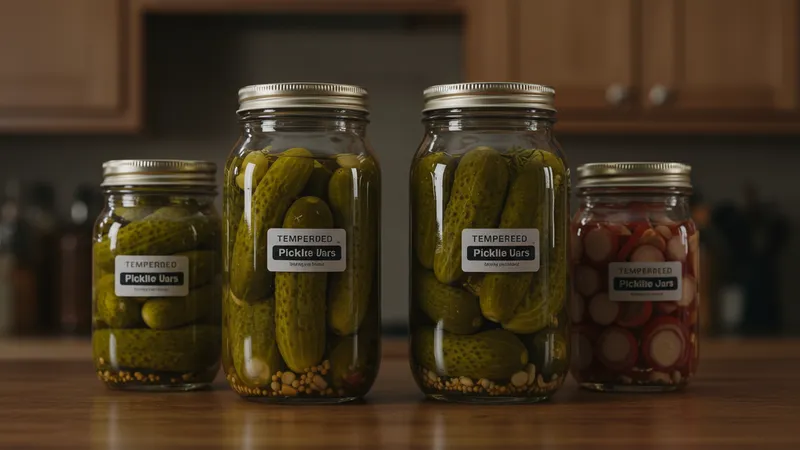
Not all glass is created equal. When selecting jars, aim for those marked as ‘tempered’. Tempered glass might be slightly more expensive, but it’s engineered to withstand temperature shifts, crucial for pasteurizing your pickles. This kind of glass significantly reduces the risk of breakage in thermal shocks, a factor that could ruin an entire batch. You might wonder: why isn’t everyone using these safer alternatives?
The cost of transitioning to tempered glass can deter beginners, but seasoned picklers swear by its benefits. A slight incremental cost pays dividends in batch quality and safety. Plus, most tempered glass jars are dishwasher safe, easing the post-pickling cleanup. Now, you might be thinking, what’s the impact of lids and seals on your jar choice?
Here comes something peculiar: the humble jar lid plays a pivotal role in successful pickling. Airtight seals ensure no unwanted air introduces spoilage organisms to your pickles. Many mistakenly assume metal lids are the best, but alternative materials like silicon offer superior seal integrity without risk of rust. What you read next might change how you see this forever.