
Choosing The Best Pickle Making Equipment: Essential Tips And Common Mistakes

Understanding the Role of Pickling Salt
The choice of salt exponentially affects the quality of your pickles. Table salt, often the household standby, can cloud brine due to its additives. Instead, experienced picklers opt for pickling or canning salts, which are pure and dissolve completely, maintaining clarity in the brine. This small switch makes a significant impact, but why isn’t everyone making it?
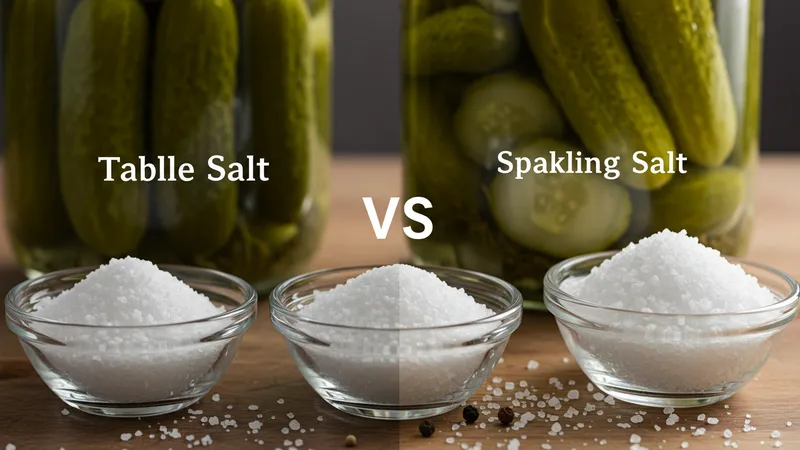
Many are unaware of this easy yet transformative switch. The presence of anti-caking agents in common table salt causes undesirable sedimentation, which affects the flavor and appearance. Pickling salt is free from these extras, offering you a clean, smooth brine. Nevertheless, there’s another dimension to consider: the grain size.
Grain size contributes to how quickly salt dissolves and subsequently, how well it penetrates the vegetables. Fine grains dissolve faster, allowing for quicker application, while coarse grains let you exert more control over salt concentration. The choice depends on your personal pickling pace and preference, yet many choose without realizing the consequences.
Each grain contains nuances that alter the fermentation process. A course correction in your salt choice might elevate your pickle game to professional levels. Mastering this craft requires knowing every insider’s trick, and what comes next will astonish you even more.