
Choosing The Best Pickle Making Equipment: Essential Tips And Common Mistakes

The Real Role of Water Type
Believe it or not, the water quality you use possesses a formidable influence on your pickling outcomes. Many overlook the potential contaminants found within tap water, including chlorine and heavy metals, which can affect fermentation adversely. Opting for filtered or distilled water might seem unnecessary but plays a vital role.
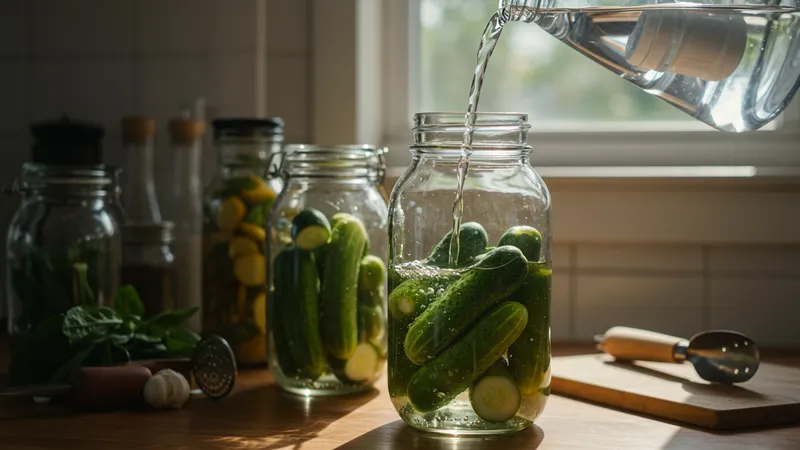
Chlorine, in particular, acts as a bactericide, stunting beneficial bacteria necessary for a successful fermentation cycle. Therefore, washing your vegetables and filling your jars with filtered water ensures optimal conditions for microbial activity. Yet another overlooked discipline by unsuspecting beginners.
The elemental makeup of water influences pickling much more than anticipated, often harmonizing or clashing with other ingredients. Experienced picklers recommend always checking your local water pH and mineral content as they interact uniquely with different spices and vinegars.
Transitioning to purified sources ensures batch consistency and flavor reliability—attributes every pickle enthusiast ultimately strives for. As we deepen our understanding, the next subject shall further elevate your indispensable pickling knowledge.