
Fintech Digital Banking: How Technology Is Transforming Financial Services

Fintech digital banking refers to the use of advanced technologies such as mobile apps, artificial intelligence (AI), and automated services to deliver financial products and manage accounts. In Brazil, these platforms have influenced how individuals and businesses access banking, process payments, and monitor their finances. The integration of innovative tools has altered conventional banking models, leading to more adaptive and flexible banking experiences.
Modern fintech banks in Brazil commonly offer online-first or app-based account opening, digital payments, and AI-powered customer support. These services can cater to urban and remote regions alike, increasing banking penetration and efficiency. Unlike traditional banks, fintech banks in Brazil may focus on lower overhead and competitive fee structures, although costs can vary by service tier and provider.
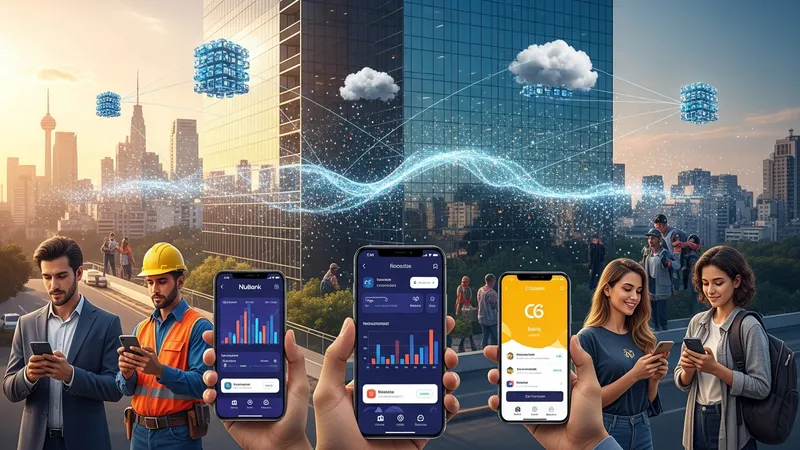
- Nubank: A widely used digital bank offering app-based account management, free basic accounts, and a range of financial products. Service fees for advanced features may begin at approximately R$6 per month.
- Banco Inter: Provides digital personal and business accounts with no monthly fees for basic services. Advanced investment and international transfer options may include additional charges.
- C6 Bank: Operates a digital platform offering personal accounts, specialized cards, and business solutions. Card issuance fees and premium plans may typically range from R$10 to R$50 monthly depending on chosen services.
Key aspects of fintech digital banking in Brazil include simplified onboarding and remote account access. Many platforms enable customers to register and verify their identity through smartphones, which typically reduces paperwork and speeds up usage. This has become especially relevant in regions where physical branches are limited.
Security enhancements, such as biometric authentication and AI-driven fraud monitoring, are frequently implemented by leading Brazilian fintech banks. These tools can help detect suspicious behavior and prevent unauthorized activity, although users are generally advised to stay informed about security best practices supported by each provider.
Automation within fintech digital banking in Brazil may streamline recurring payments, savings plans, and transaction categorizations. This helps individuals and businesses monitor expenditure, set financial goals, and better understand cash flow through interactive app dashboards. These conveniences reflect ongoing trends in financial technology adoption across the country.
Costs for fintech digital banking services in Brazil tend to vary according to the type and complexity of the chosen services. While basic accounts are often advertised with no monthly fees, transactions such as wire transfers, currency exchanges, or specialized card features typically incur separate charges. Users are encouraged to review official fee charts for greater clarity.
In summary, fintech digital banking in Brazil harnesses technological advancements to modify access and management of financial services. The following sections examine core components and considerations of this sector in greater depth.