
Fintech Digital Banking: How Technology Is Transforming Financial Services

Mobile App Features in Fintech Digital Banking
Mobile applications are central to fintech digital banking in Brazil, serving as the gateway for most interactions. These apps typically enable users to open accounts, monitor balances, and pay bills directly from smartphones. Providers such as Nubank and Banco Inter often update their apps to include functionalities that respond to evolving user demands and regulatory requirements.
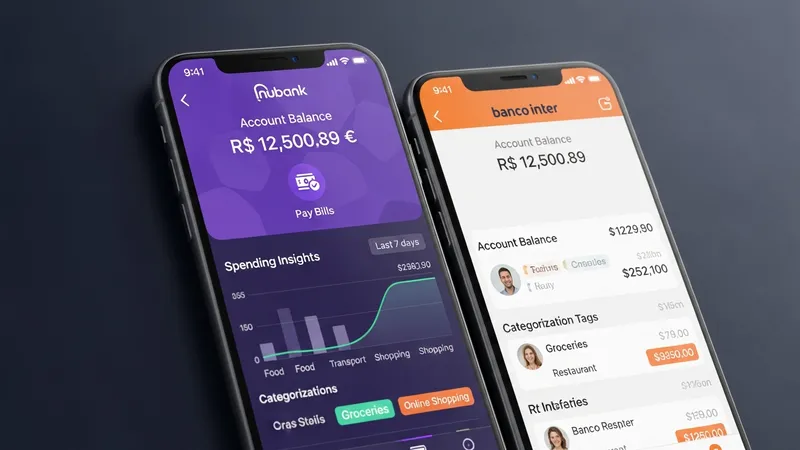
Personalization is a frequent theme, with apps offering tailored notifications, spending insights, and targeted educational content. Many Brazilian fintech banks have introduced features like transaction categorization and financial health indicators, which can help users better interpret their own activity. While features may differ by provider, both personal and business customers benefit from data-driven management tools integrated into the app experiences.
Security within mobile apps commonly involves multi-factor authentication, including facial recognition or fingerprint scanning. These measures work with backend systems to provide layered protection, reducing risks associated with account compromise. Additionally, some banks use notification systems to alert customers of unusual transactions in real time.
Accessibility improvements ensure mobile apps are usable by a broad segment of the population in Brazil. Fintech platforms invest in local language support, screen reader compatibility, and offline notification features to reach individuals across varying connectivity levels. This approach helps promote digital inclusion and expands financial access nationwide.