
Fintech Digital Banking: How Technology Is Transforming Financial Services

Service Fees, Accessibility, and Regulatory Environment in Brazil
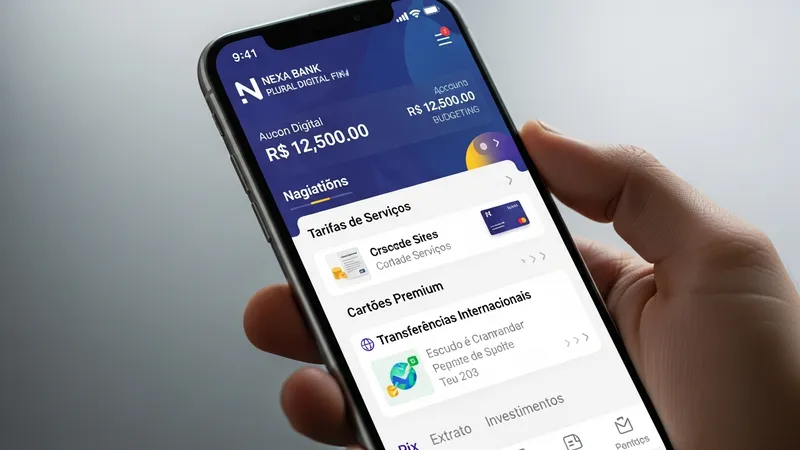
Fintech digital banking fees in Brazil are typically structured with transparency, though the specific charges may differ between platforms and tiers. Standard digital accounts may not require monthly maintenance fees, while certain specialized services—such as premium cards, international transfers, or investment platforms—typically carry extra costs. Up-to-date fee tables are provided on official bank websites and can help guide consumer comparisons.
Regulatory oversight in Brazil is managed by institutions like the Central Bank of Brazil, which establishes frameworks for fintech operations, customer protection, and data privacy. New entrants to the digital banking space must comply with these regulations before offering services. Regulatory updates are regularly communicated to adapt to the pace of technological development and market growth within the country.
Financial inclusion initiatives supported by both government and private fintech entities aim to broaden access to banking in Brazil. Digital banks have contributed to increased account ownership among historically underserved communities, aided by simplified digital onboarding and documentation processes. Accessibility for individuals with disabilities or those located in remote regions is an ongoing area of investment for many providers.
The evolution of fintech digital banking in Brazil will likely continue to focus on efficiency, enhanced user experience, and regulatory compliance. As users seek more tailored and integrated financial services, competition among both established banks and fintech firms may drive further innovation in the sector.