
The Ultimate Guide To Coffee Machines: Types, Features, And How To Choose The Best One

The Environmental Footprint: What You Need to Know
In the quest for the perfect brew, coffee machines unexpectedly waltz into the thick of environmental discourse. Striking the balance between luxury and sustainability is the latest challenge facing manufacturers and consumers. Have you ever thought about what happens to old coffee machines when new technology arrives?
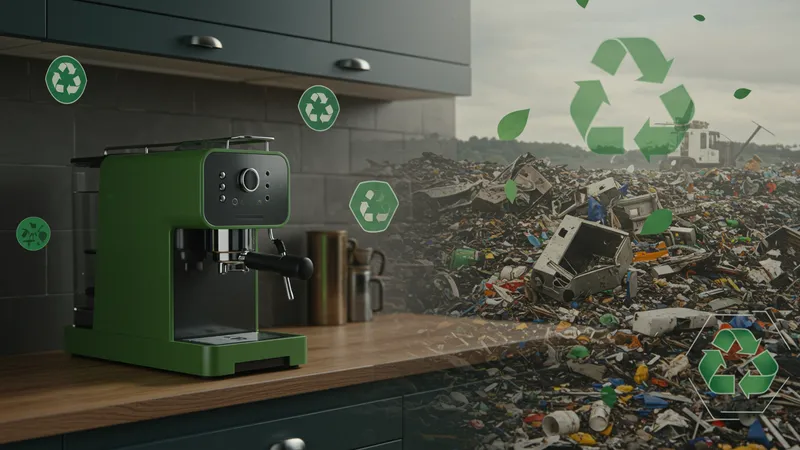
The reality is sobering. Many end up in landfills, contributing to an ever-growing pile of electronic waste. However, there’s a growing movement toward recyclability and sustainability in coffee machine production—so much so that some brands are pioneering models made from recycled materials. The shift toward greener options is a step in the right direction, catering to an increasingly eco-aware consumer base.
Reusable pods and manual coffee makers are also making a comeback, allowing conscious consumers to enjoy their drink while minimizing waste. The espresso machines that think sustainably are sometimes filling shelves, but their footprint extends beyond a marketing message. Real change rests in consumer habits and thoughtful purchasing decisions.
As we embrace greener lifestyles, considering the lifecycle of our appliances shouldn’t stop at the purchase. Many coffee aficionados are re-evaluating what they really need in a machine. The story doesn’t end here, of course; there’s always a twist—with sustainability, creativity knows no bounds.