
Window Replacement 101: What You Should Know Before Getting Started

The Silent Energy Sucker: Understanding U-Factor Ratings
As windows evolve, so too do the metrics for evaluating their efficiency. The U-factor is one such crucial measure, representing the rate of heat transfer through a product. In simple terms, lower U-factors equate to better insulation properties. However, many buyers overlook this critical element, assuming all windows offer similar benefits given their lofty price tags.
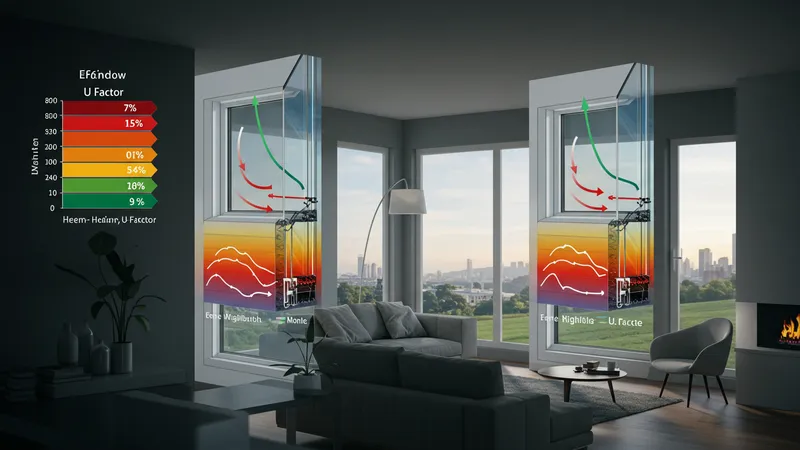
A low U-factor minimizes heat escaping your home in winter and keeps your interior cool in summer, effectively stabilizing indoor climates. It suggests a high-performance window that works in symphony with your heating and cooling systems, ultimately reducing energy consumption. Surrounded by numbers and graphs, it’s easy to get lost here—so what’s the shortcut?
One misconception is that all double-pane windows are automatically energy efficient. While they generally perform better than single-pane windows, the devil’s in the details. Modern triple-pane windows might offer unprecedented insulation without skyrocketing costs. As manufacturers refine their offerings, understanding these metrics becomes an ally, not a chore. But is there more to this equation?
While U-factor is a primary metric, it cooperates with other values like solar heat gain coefficient and air leakage rates to provide a holistic efficiency profile. Your local climate can dictate which of these metrics should weigh more heavily in your decision. What’s next might just redefine your strategy on window shopping, fixing the sights on hyper-targeted product selection.